Tag: bangalore

  • Unlock the Secrets of Ayurveda: Ancient Therapies for Modern Wellness

    Unlock the Secrets of Ayurveda: Ancient Therapies for Modern Wellness

    At a time when technological innovations and modern medicine are increasing their grip, Ayurveda stands as an alternative and holistic approach to well-being and health. Hailing from India’s subcontinent, this ancient medical system emphasizes harmony among body, mind, and spirit, unlike conventional treatments that focus on relieving symptoms only. Ayurveda seeks to identify the root causes of imbalances by treating their root causes instead to promote longevity and health. We will explore its core principles along with critical treatments like diet guidelines and herbal therapies, as well as modern scientific integrations of ancient knowledge with ancient knowledge in this article.

    Ayurveda: An Integrative Approach to Health

    Ayurveda is founded upon harmony and equilibrium between body, mind, and environment. According to Ayurvedic principles, every individual possesses their own specific constitution known as Prakriti, which is determined through an equilibrium among three forces in life called Doshas: Vata (air as well as space), Pitta (fire and water), and Kapha (water and Earth). These doshas govern many mental and physiological functions, and maintaining equilibrium is crucial to maintaining health.

    Balanced doshas enable optimal body functioning and clear thinking, but any imbalance could cause physical issues, emotional turmoil, and general discomfort. Ayurveda emphasizes understanding your Prakriti and creating equilibrium by altering lifestyle, diet, and therapies; this holistic approach not only addresses signs of illness but also brings body and mind closer to nature’s cycles.

    Essential Ayurvedic Therapies for Optimized Wellbeing

    Ayurveda offers many treatments designed to cleanse, refresh, and heal the body. Panchakarma, the cleansing process that entails five steps: Vamana (therapeutic vomiting), Virechana (purgation), Basti (enema), Nasya (nasal administration of medicine), and Raktamokshana (bloodletting), is thought to flush away toxic materials from our bodies while also helping balance doshas and restore our health. These treatments aim to flush away poisonous substances while also helping balance doshas and regain health by helping restore the balance between doshas and help restore health overall.

    Abhyanga is an effective warm oil massage that nourishes skin cells while increasing circulation and soothing nerves. Shirodhara uses hot oil poured over the forehead as part of an alternative therapy technique to relieve stress or insomnia as well as mental fatigue. Nasya therapy uses herbs or powders through nasal mucosa to relieve sinus congestion and improve respiratory system health.

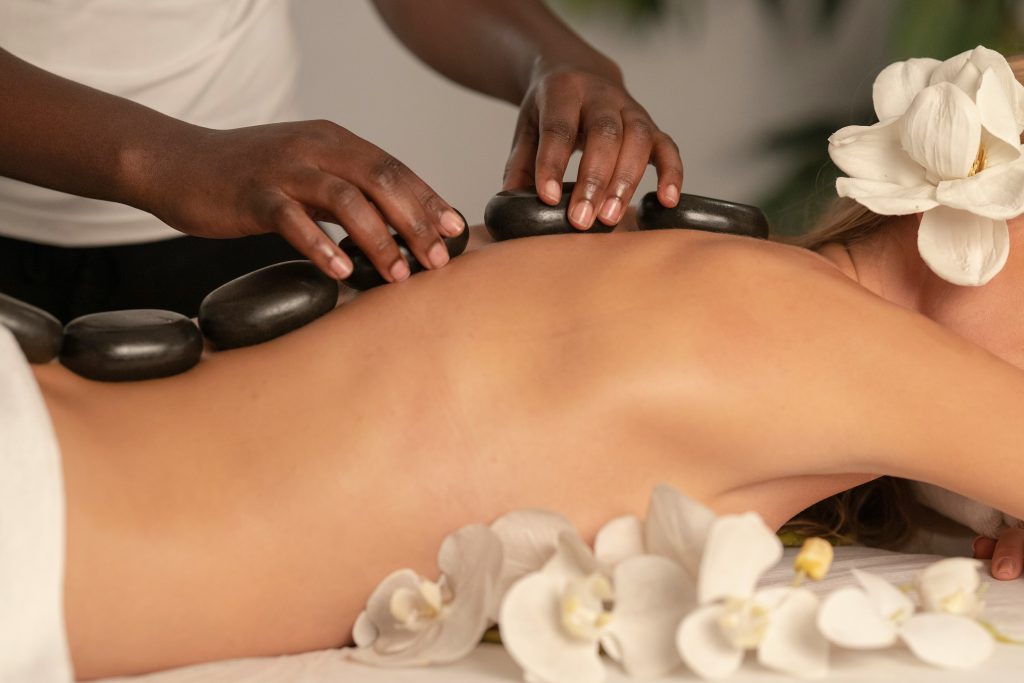
    Ayurvedic massage therapies combine herbal oils with Ayurvedic practices for massage to create a refreshing massage therapy treatment, not only providing physical relaxation but also opening up energy pathways within your body (nadis) that support prana (life energy). Regular practice of this form can help establish an elevated state of mental and physical wellness.

    Ayurveda Diet: Nourishing Your Body and Soul

    Diet is at the core of Ayurveda, founded on the understanding that food acts as medicine to maintain overall well-being. Diet recommendations in Ayurveda vary based on each person’s dosha type – for example, a Vata-dominant person may benefit from warm, moist foods that ground them; those who lean toward Pitta might thrive on cooling, hydrating, or mildly spiced meals, while those with Kapha typically opt for dry light foods to balance out their constitution.

    A key concept in Ayurvedic eating practices is Agni or digestive fire. An active Agni helps ensure effective digestion, assimilation, and elimination. Herbs such as ginger, turmeric, cumin, and coriander are frequently used to increase digestive fire. Mindful eating – whereby an individual pays close attention to texture, flavor and smell while eating food items – is encouraged within Ayurveda Diet as this aids the process of digestion and absorption of essential nutrients.

    Ayurveda emphasizes the importance of eating with the seasons. Eating seasonal food helps the body find equilibrium by being in harmony with its needs, such as cooling watermelons and cucumbers during summer to combat heat, while warming soups and spices such as curry are recommended in winter to combat chilliness.

    Herbal Remedies: Nature’s Pharmacy in Ayurveda

    Herbal Remedies in Ayurveda Herbs play an integral part in Ayurveda healing, acting as nature’s pharmacy. Using herbs to balance doshas improve the health of body systems, and fight off disease. Rasayana plants are also adored in Ayurveda as rejuvenating plants that boost the longevity of lifespan and vitality of the body – Ashwagandha, Shatavari, and Amalaki being examples of rejuvenating Rasayana herbs that support overall well-being.

    Ayurveda uses adaptogenic herbs, which help the body adjust to stress and remain balanced extensively. Tulsi (holy basil) and Brahmi are two widely utilized adaptogens that improve mental clarity, ease stress levels, and boost immunity; other remedies like Chyawanprash, which is made from Amalaki along with other herbs, help build immunity as well as increase energy levels.

    Natural supplements, such as Triphala (an Ayurvedic herbal combination consisting of three fruits) and Guggulu (derived from Commiphora tree resin), are often employed within Ayurvedic practice to assist with digestion health as well as detoxification, weight loss, and management. When taken correctly, these herbal remedies can serve to keep individuals healthy by helping prevent illness.

    Meditation and Yoga as Companions to Ayurvedic Therapies

    Ayurveda yoga practice incorporates elements of both meditation and yoga into its practices to achieve overall physical, mental, and spiritual well-being. Yoga tailored specifically for each dosha uses specific asanas (postures) as well as pranayama (breathing exercises) tailored specifically for them, such as relaxing grounding postures for Vata, cooling soothing exercises for Pitta, invigorating and activating exercises for Kapha – among many more!

    Pranayama, or controlled breathing practices, are at the core of Ayurveda. Methods like Nadi Shodhana (alternating nostril breathing) and Kapalabhati (skull-shining breath) can be employed to balance doshas, increase mental clarity and energy levels, and lower stress levels; furthermore, these techniques help relax mind bodies as well as enhance communication between these systems.

    Meditation, an integral component of Ayurveda, helps promote inner calm and promote awareness. Regular meditation practice has been shown to reduce stress levels, enhance concentration levels, and help foster mental balance – perfect complements for Ayurveda treatments that nurture mind, body, and spirit simultaneously.

    Ayurvedic Beauty and Skincare: Let It Shine

    The Ayurvedic approach to beauty begins from within, wherein its essence emanates. Ayurvedic practices focus on nurturing your skin while balancing doshas for overall well-being improvement. Natural skincare such as sandalwood, turmeric, and neem are often employed by Ayurveda practitioners to cleanse, nourish, and renew without using harmful chemicals.

    Dosha-specific skincare is an integral component of Ayurvedic beauty. Vata skin, often dry and sensitive, could benefit from moisturizing oils like almond or sesame oil; Pitta skin’s susceptibility to irritation requires cooling ingredients like rose water or aloe vera; while Kapha skin, often oily and susceptible to congestion, might benefit from turmeric and Neem’s cleansing properties.

    Herbal cosmetics made of pure ingredients are widely employed in Ayurveda to improve skin beauty and boost health. Not only are these cosmetics gentle on the skin, but they also provide treatments to balance doshas and promote radiant complexions.

    Modern Science Meets Ancient Wisdom: The Evidence Behind Ayurveda

    Although Ayurveda has been practiced for millennia as an effective medical treatment, modern science has verified some of its practices. Clinical trials and scientific research studies have verified the efficacy of Ayurveda treatments against chronic illnesses like arthritis, diabetes, and digestive diseases; research also highlights turmeric’s antioxidant and anti-inflammatory benefits that make it popular with Ayurveda practitioners for managing cardiovascular disease as well as arthritis symptoms.

    Integrative medicine combines conventional treatments with alternative remedies like Ayurveda and is growing increasingly popular as more individuals search for holistic solutions for their wellness. Ayurvedic research is growing exponentially, with studies being conducted to understand its advantages in formulas, detoxification treatments, and diet-related practices.

    Research-based practices of Ayurveda are being refined with an eye toward personal treatment. By understanding an individual’s prakriti and understanding the causes of illness, Ayurvedic practitioners can tailor treatments that address root causes rather than simply relieving symptoms.

    Tomorrow Health Ayurveda is your go to one stop solution for every ayurveda & ayurvedic therapy needs in Bangalore.

    Integrating Ayurved into Your Daily Routine: Practical Tips and tricks

    Integrating Ayurved into your everyday life can be easy and enjoyable. Dinacharya (Daily Schedule) is key in Ayurved practice – encouraging us to establish routines that align with the natural cycles of our bodies. Starting each morning off right by including practices such as scraping your tongue, oil pulling, self-massage, or any combination thereof will create a positive atmosphere throughout the day!

    Ritucharya, Ayurveda’s term for seasonal routines, emphasizes their significance. Adopting lifestyle, diet, and skincare practices under each season can help maintain balance and prevent illness; for instance, adding warming spices like oils in winter to fight colds while in summer, light cooling food items are recommended to ease heat waves.

    Ayurved lifestyle principles encompass regular exercises, mindful eating, and self-care routines such as yoga and meditation. By making minor yet gradual adjustments to your everyday lifestyle, Ayurved concepts will gradually be integrated into it for improved overall well-being in life.

    Conclusion: Leverage Ayurveda to Create a Balanced and Vibrant Life

    Ayurved is an integrative healing approach that transcends simply treating symptoms to address their source: imbalance. By understanding your prakriti and customizing treatments accordingly, as well as practicing mindfulness meditation, it is possible to tap into Ayurved’s power for creating balance and vitality in life. Even if you’re new to Ayurved or wish to improve it, its practices will guide you towards more excellent health and harmony!

  • Holistic Wellness: The Vital Importance of Panchakarma Therapies

    Holistic Wellness: The Vital Importance of Panchakarma Therapies

    Panchakarma offers a practical and extensive system for cleansing and revitalisation, drawing from Ayurveda wisdom. As part of a holistic wellness regimen, this time-tested practice cleanses both body and mind as well as boosts spirit – unlike modern detox techniques, which only focus on physical well-being, Panchakarma addresses mind, body and spirit holistically, making it essential therapy to anyone aspiring for greater well-being and vitality.

    Understanding Panchakarma: The Ancient Ayurvedic Detoxification Process

    Panchakarma, from Sanskrit’s “Pancha” (five) and “Karma” (actions), is the foundation of Ayurvedic detoxification. This ancient practice uses five treatments as its core foundation, eliminating toxic substances (ama) from our bodies while also rebalancing our three doshas (Vata, Pitta and Kapha). Panchakarma goes beyond physical cleansing; it offers comprehensive healing benefits that address its root cause while improving overall health and well-being.

    Traditional Ayurvedic medicine defines health as the balance of body, mind, and spirit; panchakarma was designed to restore this equilibrium through individually tailored treatments designed to address an individual’s constitution (Prakriti) as well as any particular ailments they’re facing. Through various purification practices, clean channels within the body’s channels enhance digestion, boost immunity levels, and revitalize the soul. The ancient practice remains applicable and practical today by offering an efficient yet natural means to maintain an optimal state of health.

    Panchakarma Therapies and Their Unique Benefits

    Panchakarma’s five primary therapies aim to cleanse various parts of the body and correct particular imbalances, providing both deep cleansing and rejuvenation experiences when performed in sequence.

    1.Vamana (Therapeutic Emesis):

    Vamana therapy involves stimulating therapeutic vomiting to clear toxic substances out of the respiratory tract and stomach, making this therapy especially helpful for people who overrepresent Kapha dosha. Vamana also assists in clearing congestion, improving respiratory health and digestion, and aiding weight management, which makes this practice great for asthma, bronchitis, and overweight issues.

    2. Virechana (Purgation):

    Virechana is an effective purgation treatment which targets both the small intestine and liver. Primarily utilized to balance Pitta dosha levels, this therapy has also proven successful at treating skin conditions as well as digestive issues and inflammation-related conditions. By eliminating toxins through digestion, Virechana promotes overall good health for liver, skin and digestive system health.

    3.Basti (Medicated Enema):

    Basti is widely considered one of the most effective treatments offered by Ayurveda. This practice involves administering herbal or decoction infusions into your colon to purify its contents, balance Vata dosha and improve overall body health. Basti can help treat chronic constipation as well as arthritis or neurological conditions as it nourishes and energizes tissue in your body, improving overall well-being by strengthening all vital systems within.

    4. Nasya (Nasal Administration):

    Nasya therapy involves instilling powders or oils made from herbs through your nose to cleanse your sinuses, improve respiratory function, and enhance mental clarity. Nasya may be employed to treat issues like headaches, sinusitis and migraines while simultaneously helping balance Kapha dosha.

    5. Raktamokshana (Bloodletting):

    Raktamokshana, or bloodletting therapy, can cleanse the blood and treat ailments caused by the overproduction of Pitta dosha. This therapy has proven itself especially useful in treating skin conditions as well as inflammation-related ailments and certain kinds of joint discomfort. By purifying circulation systems by eliminating impurities such as cholesterol deposits, Raktamokshana promotes balance in both your mind and body as well as healthy circulation.

    Tomorrow Health Ayurveda provides this effective  therapy at the Doddakannelli, Bangalore.

    Panchakarma Therapies Can Restore Balance to Mind, Body and Spirit

    Panchakarma treatments don’t only treat physical detoxification; they can have a powerful impact on spiritual and psychological wellness as well. By eliminating accumulated toxins and balancing doshas to alleviate stress levels, Panchakarma treatments can provide immense emotional healing as they clear away emotional clutter while relieving mental strain. The treatments aim to eliminate both emotional clutter and mental strain as part of the goal of wellness for its participants.

    Panchakarma’s holistic approach can bring inner peace and spiritual awakening. While your body goes through detoxification and your mind re-focuses, clarity becomes greater, and the link between mind, body, and spirit strengthens further. Panchakarma holistic wellness treatment provides powerful tools to achieve harmony and balance in every area of your life.

    Modern Research to Support Ancient Wisdom

    Modern research is supporting the effectiveness of Panchakarma-based therapies, with clinical studies proving their efficacy in relieving inflammation, improving digestion and aiding our body’s natural detoxification processes. Studies have also shown that treatments like Virechana and Basti can assist with managing chronic ailments such as IBS (Irritable Bowel Syndrome), arthritis, or metabolic conditions.

    Science confirms the effectiveness of Panchakarma for decreasing anxiety and improving mental health. Studies have demonstrated how treatments such as Shirodhara (in which warm oils are sprayed onto the forehead) can significantly reduce anxiety, stress and depression levels. Panchakarma’s holistic approach and individualized treatments make it a popular complementary medicine option.

    Panchakarma for Chronic Conditions: A Natural Approach to Long-term Health 

    Panchakarma therapies have proven remarkably successful at managing chronic ailments that cannot be effectively addressed with conventional therapies, including digestive issues, autoimmune disorders and skin conditions (respiratory issues included), digestive dysfunctions or joints problems which cannot be effectively controlled through conventional approaches; for instance digestive problems, autoimmune disorders skin conditions respiratory issues as well as any joint conditions. By targeting root causes, Panchakarma therapies can reduce symptoms and enhance quality living while simultaneously improving long-term health benefits, thus helping improve quality living and long-term well-being.

    People suffering from chronic skin conditions such as eczema, psoriasis or eczema can find relief using treatments like Virechana and Raktamokshana, which cleanse the blood and decrease inflammation. Meanwhile, those experiencing digestive difficulties can seek relief through Basti and Vamana, which aim to balance digestive fire while purging away any toxins present in their gut.

    Preparing for Panchakarma: Essential Steps for Maximizing Treatment Effectiveness

    Preparing correctly for Panchakarma is critical to reaping its full benefits; this may involve making changes to diet and lifestyle as well as mental preparation. Before commencing Panchakarma, it’s advisable to speak with an Ayurvedic practitioner who will assess both your Prakriti and health status.

    Guidelines for pre-therapy typically include:

    • Adopting an easy diet plan with digestible meals.
    • Avoiding refined and stimulant foods.
    • Meditation and mindfulness practices prepare both body and mind for detox treatments to be as successful as possible.

    Panchakarma as an Instrument for Preventive Healthcare and Longevity

    Panchakarma can serve not only to treat current conditions but also as an invaluable way of improving longevity and maintaining good health. Regular cleansing with Panchakarma helps remove toxic build-up while strengthening immunity, enhancing overall vitality, maintaining balance within doshas, supporting your body’s healing processes and aiding longevity – thus making Panchakarma an invaluable way to ensure healthy lifelong well-being!

    Panchakarma not only offers benefits for detoxification, but it can also have anti-ageing effects. By rejuvenating tissues in the body and improving cell functions, as well as mental clarity improvements, Panchakarma helps slow the aging process down gracefully.

    Integrating Panchakarma into Modern Lifestyle: Practical Tips and Considerations

    Integrating Panchakarma Into Modern Life Integrating Panchakarma into modern life requires some modifications and considerations. First and foremost, you need to find qualified professionals who can adapt treatments specifically to your condition and lifestyle needs; frequency will differ based on this factor; however, many can benefit from receiving Panchakarma treatments at least once every year.

    Combining Panchakarma with Western medicines can be particularly helpful for people suffering from chronic illnesses. Communication between your Ayurvedic practitioner and primary medical professional must take place to ensure that both treatments complement each other in providing relief from symptoms.

    Home-based practices such as regularly performing self-massage (Abhyanga), eating according to your dosha type, and engaging in mindfulness practices such as yoga and meditation can help preserve the benefits of Panchakarma and enhance overall health and well-being.

    Conclusion: Harness Panchakarma’s Transformative Power for Optimized Health

    Panchakarma offers an innovative approach to wellness and health that transcends detoxification to address the primary causes of imbalance and disease. By cleansing the body by balancing doshas and rejuvenating spirit and mind, this holistic method leads to ultimate health. No matter if it’s for chronic ailments relief, disease prevention or general wellness improvement, Panchakarma offers potency and effectiveness – let these ancient practices open you up to an incredible new experience that can positively transform daily life!